
The Importance of Gas Gathering Lines on Oil Wells
Without proper gas gathering infrastructure, valuable resources may be wasted, production can be restricted, and regulatory challenges can arise.
5/27/20263 min read
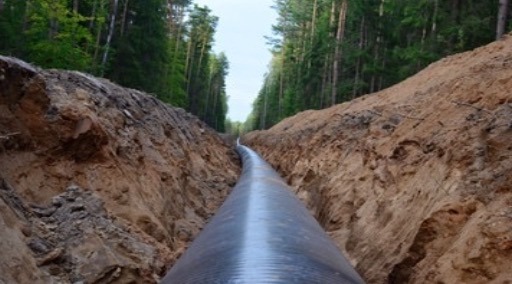
In today’s oil and gas industry, gas gathering systems play a critical role in maximizing production efficiency, improving environmental performance, and increasing the economic value of oil wells. While oil production is often the primary objective of a drilling project, associated natural gas production can significantly impact both the profitability and operational success of a well. Without proper gas gathering infrastructure, valuable resources may be wasted, production can be restricted, and regulatory challenges can arise.
What Are Gas Gathering Lines?
Gas gathering lines are pipelines that transport natural gas from producing oil and gas wells to processing facilities, compressor stations, or transmission pipelines. These systems collect gas from multiple wells across a field and move it to market or processing facilities where impurities are removed and the gas is prepared for commercial sale.
In many oil-producing regions, associated gas is produced alongside crude oil. This gas may include natural gas liquids, methane, and other hydrocarbons that hold substantial commercial value. Gathering systems ensure this gas is safely captured rather than flared or vented.
Enhancing Oil Production Efficiency
One of the most important functions of gas gathering systems is maintaining proper pressure management at the well site. Oil wells often produce gas under pressure, and if that gas cannot be removed efficiently, excessive backpressure can build inside the wellbore. This backpressure can restrict oil flow and reduce overall production rates.
By providing a pathway for gas to leave the well efficiently, gathering lines help maintain optimal operating conditions. In many cases, wells connected to gathering systems experience improved oil recovery and more stable long-term production performance.
Increasing Revenue Streams
Natural gas is not simply a byproduct — it is a valuable commodity. Gathering systems allow operators to monetize gas that would otherwise be wasted. The captured gas can be sold into commercial markets, processed into natural gas liquids, or used for power generation and industrial applications.
This additional revenue stream can substantially improve the economics of a drilling project. In mature fields and marginal projects, gas sales may help offset operational costs and extend the economic life of producing wells.
In areas with high natural gas prices or strong infrastructure access, gathering systems can dramatically increase the total value of an oil property.
Reducing Flaring and Environmental Impact
Gas gathering lines are also essential for reducing flaring and emissions. When gathering infrastructure is unavailable, operators may be forced to flare excess gas at the well site. Although flaring is sometimes necessary for safety purposes, prolonged flaring results in wasted energy resources and increased carbon emissions.
Regulatory agencies across the United States have implemented stricter rules regarding flaring and methane emissions. Operators that lack gathering access may face production restrictions, penalties, or permitting delays.
By capturing associated gas and transporting it to market, gathering systems help operators comply with environmental regulations while improving public perception and operational sustainability.
Supporting Field Development
A strong gathering system often determines whether an oil field can be fully developed. In many emerging plays, infrastructure availability directly impacts drilling activity and investment decisions. Areas with limited gathering capacity may struggle to attract capital because operators cannot efficiently market their production.
Conversely, established gathering networks encourage additional drilling by lowering operating costs and improving access to downstream markets. Infrastructure investment often stimulates long-term regional growth and increases the value of surrounding mineral assets.
Improving Operational Safety
Modern gathering systems also improve safety at the well site. Proper gas handling reduces the risks associated with uncontrolled pressure buildup, excessive flaring, and temporary storage solutions. Centralized gathering infrastructure allows operators to monitor flow rates, detect leaks, and manage production more effectively.
With advanced monitoring systems and pipeline controls, gathering networks contribute to safer and more reliable field operations.
Conclusion
Gas gathering lines are a vital component of modern oil field operations. They enhance oil production efficiency, create additional revenue opportunities, reduce environmental impact, and support long-term field development. As the energy industry continues to evolve, gathering infrastructure will remain one of the most important factors influencing the success and sustainability of oil and gas projects.
For operators, investors, and mineral owners alike, understanding the importance of gas gathering systems is essential when evaluating the long-term value and performance of any producing oil field.
-Joseph Hooper
info@texexenergypartners.com
© 2026. All rights reserved.