
The Benefits of Being on a Salt Dome in Oil and Gas
From the Gulf Coast of Louisiana and Texas to offshore fields in the Gulf of Mexico, some of the most productive hydrocarbon discoveries in history have been associated with salt structures.
5/27/20263 min read
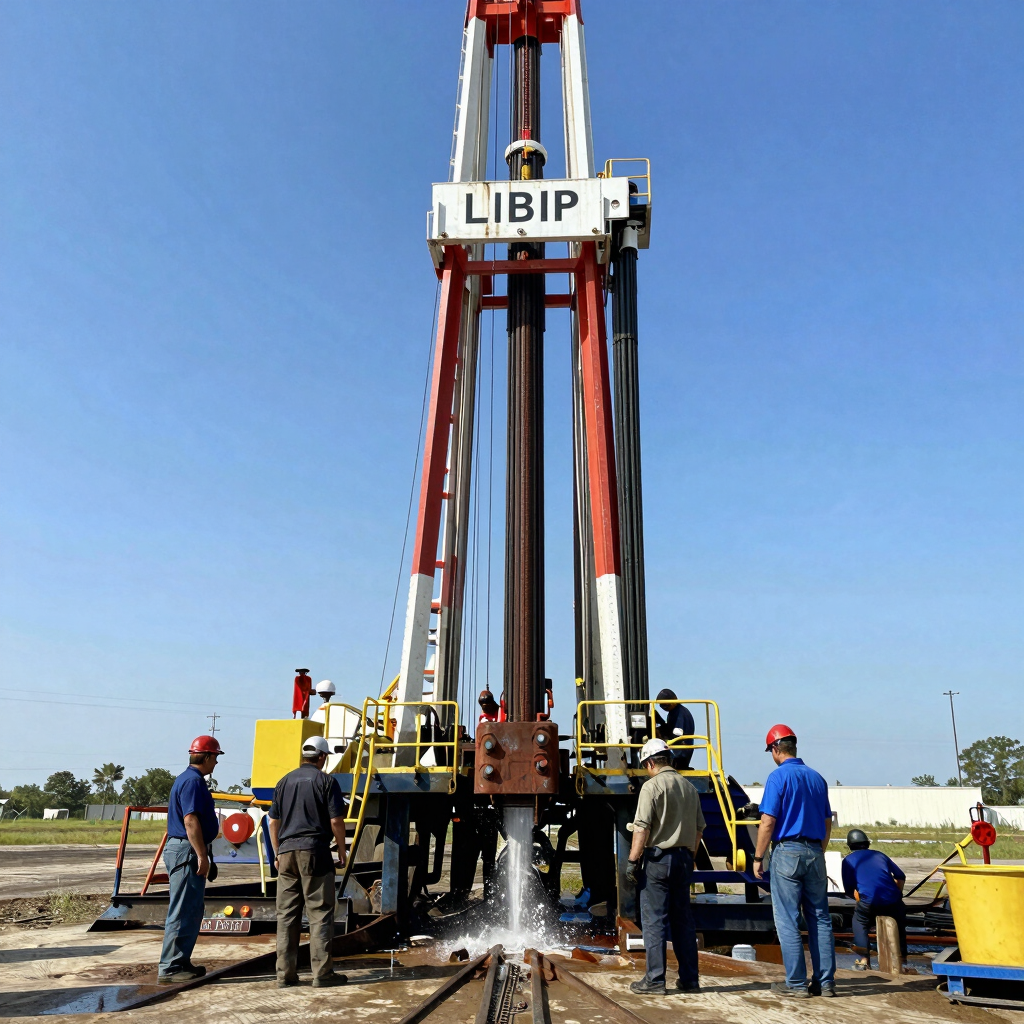
Salt domes have played a major role in the history of oil and gas exploration across the United States and around the world. From the Gulf Coast of Louisiana and Texas to offshore fields in the Gulf of Mexico, some of the most productive hydrocarbon discoveries in history have been associated with salt structures. For oil and gas operators, being located on or around a salt dome can provide significant geological and economic advantages.
What Is a Salt Dome?
A salt dome is a large underground column of salt that has moved upward through surrounding rock layers over millions of years. Because salt is lighter and more flexible than surrounding sediments, it slowly rises toward the surface, deforming the rock around it. This movement creates traps and structural features that are highly favorable for oil and natural gas accumulation.
Salt domes are especially common along the Gulf Coast region, where thick salt deposits were formed from ancient seas. As these salt formations shifted upward, they created ideal conditions for hydrocarbons to migrate and become trapped.
Excellent Hydrocarbon Traps
One of the biggest benefits of a salt dome is its ability to create structural traps. Oil and natural gas naturally migrate upward through porous rock until they encounter an impermeable barrier. Salt is extremely impermeable, meaning hydrocarbons cannot pass through it easily.
As the salt rises, it bends and folds surrounding formations, creating pockets where oil and gas can accumulate in large quantities. Many major producing reservoirs exist along the flanks and cap rock areas of salt domes because these areas provide strong trapping mechanisms.
These traps often contain:
Oil reservoirs
Dry natural gas
Natural gas liquids (NGLs)
Multiple stacked pay zones
Because of this, operators may encounter several productive formations within the same field.
Multiple Productive Horizons
Salt dome fields frequently produce from numerous geological formations at different depths. A single dome may contain productive sands ranging from shallow formations to deep high-pressure reservoirs.
This provides several advantages:
Reduced exploration risk
Long field life
Multiple drilling opportunities
Increased reserve potential
Ability to recomplete older wells into new zones
Historically, many Gulf Coast salt dome fields have produced for decades because operators continue discovering additional productive horizons over time.
Enhanced Seismic Imaging
Modern 3D seismic technology has significantly improved the ability to map salt domes and identify hydrocarbon-bearing structures. Salt creates distinct seismic signatures, allowing geologists and geophysicists to better define faulting, closure, and reservoir geometry.
With advanced seismic imaging, operators can:
Identify undrilled fault blocks
Locate bypassed reserves
Reduce dry hole risk
Optimize drilling locations
Improve reserve estimates
In mature salt dome fields, new seismic interpretation has often led to redevelopment opportunities in areas previously thought depleted.
High Reservoir Pressures and Strong Production
Many salt dome-associated reservoirs exhibit excellent pressure support and strong initial production rates. The structural closure created by the dome can preserve reservoir integrity over geologic time, allowing hydrocarbons to remain trapped efficiently.
Benefits may include:
Higher flow rates
Better reservoir energy
Improved recoveries
Economical well performance
In some cases, wells drilled near salt flanks have delivered exceptional production because hydrocarbons migrated and concentrated along fault systems adjacent to the dome.
Long-Term Economic Value
Salt dome fields are often highly attractive economically because infrastructure tends to remain in place for many years. Once pipelines, gathering systems, roads, and processing facilities are established, future drilling costs can be reduced significantly.
Advantages include:
Existing production infrastructure
Lower development costs
Reduced operating expenses
Easier field expansion
Improved project economics
Many historic Gulf Coast fields became long-term assets because operators could continue developing additional zones without building entirely new infrastructure systems.
Strategic Natural Gas Storage
In addition to hydrocarbon production, salt domes provide another major advantage: underground storage. Salt caverns can be solution-mined and used for:
Natural gas storage
Crude oil storage
NGL storage
Strategic petroleum reserves
Salt formations are ideal for storage because they are naturally self-sealing and highly stable under pressure. This has made salt dome regions strategically important for both commercial energy operations and national energy security.
Reduced Geological Risk in Proven Areas
Many salt dome regions are considered proven petroleum systems. Once hydrocarbons are discovered around a dome, nearby drilling locations often carry lower exploration risk because the trapping mechanism is already established.
This can attract:
Additional investment
Development drilling
Secondary recovery projects
Field redevelopment programs
For independent operators, proven salt dome trends can offer opportunities to acquire and redevelop mature fields using modern technology.
Conclusion
Salt domes remain some of the most valuable geological features in the oil and gas industry. Their ability to create strong hydrocarbon traps, support multiple producing zones, and preserve large accumulations of oil and gas has made them critical to petroleum exploration for over a century.
With advances in 3D seismic imaging, horizontal drilling, and reservoir analysis, many salt dome fields continue to provide new opportunities even after decades of production. Whether through enhanced production potential, lower exploration risk, or long-term storage capabilities, operating on a salt dome can offer substantial technical and economic advantages for oil and gas companies.
-Joseph Hooper
info@texexenergypartners.com
© 2026. All rights reserved.